Combination skin often needs hydration without a heavy, greasy finish. The right facial oil can help soften dry areas and support a comfortable skin barrier while fitting into a routine that already manages excess shine.
This roundup compares 10 face oils for combination skin, from lightweight squalane and grapeseed formulas to rosehip, jojoba, acne-focused, and brightening options. Use the buying guide below to narrow the list by texture, ingredients, skin concerns, and value.
Best 10 Face Oils for Combination Skin Picks for 2026
Radiance Pick

- 100% organic, cold-pressed rosehip oil
- Hydrates and supports radiant-looking skin
- Vegan and fragrance-free
Best For: Nighttime hydration and the appearance of uneven tone
Lightweight Hydration Pick

- Lightweight, quick-absorbing texture
- Moisturizes without a heavy feel
- Fragrance-free, vegan, and cruelty-free
Best For: Everyday hydration and layering over serums
Value Multipurpose Pick

- Light, odorless, silky texture
- Suitable for facial, body, and hair care
- Larger 4 fl oz multipurpose bottle
Best For: Versatile moisturizing across face, body, and hair
Combination-Skin Pick

- Specifically suitable for combination skin
- 100% pure, USDA organic jojoba oil
- Fast-absorbing and multipurpose
Best For: Hydrating combination skin and dry areas
Rich Moisture Pick
Palmer's Skin Therapy Face Oil

- Cocoa butter, vitamins, retinol, and 10 pure oils
- Targets dryness, fine lines, wrinkles, and dark spots
- Rose-fragranced, travel-size 1-ounce bottle
Best For: Moisture-focused anti-aging care
Simple Organic Option
Cliganic Organic Rosehip Seed Oil

- 100% organic, cold-pressed rosehip oil
- Single ingredient with no synthetic additives
- Vegan, cruelty-free, and non-GMO verified
Best For: Minimalist moisturizing routines
Acne-Focused Choice
e.l.f. SKIN PLZ Clarify Facial Oil
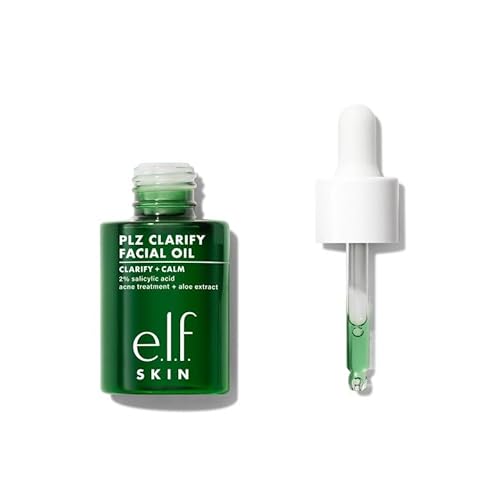
- Uses 2% salicylic acid to clarify clogged pores
- Includes licorice derivative and aloe extract
- Unscented, vegan, cruelty-free, and non-greasy
Best For: Combination skin prone to breakouts
Natural Glow Pick
MR.A Turmeric Vitamin C Face Oil

- Lightweight, non-greasy texture
- Turmeric and vitamin C formula
- Usable on face, hair, neck, and body
Best For: Combination-skin users wanting a versatile travel-size oil
Barrier Support Pick
Good Molecules Ultra-Hydrating Facial Oil

- Camellia and sea buckthorn oils
- Supports the moisture barrier
- Fragrance-free, vegan, and cruelty-free
Best For: Combination skin with noticeable dry patches
Brightening Moisture Pick

- Vitamin C and turmeric formula
- Jojoba, rosehip oil, and squalane
- Targets hydration and uneven-looking tone
Best For: Combination skin needing nourishment and brightening support
Radiance Pick – Organic Rose Hip Seed Oil
For shoppers comparing face oils for combination skin, The Ordinary Rose Hip Seed Oil offers a simple, fragrance-free option focused on hydration, radiance, and the appearance of uneven skin tone. Its single featured oil is best applied sparingly, ideally at night.
Best For: Adults seeking a fragrance-free facial oil for hydration, radiance, and the appearance of uneven tone.
Pros:
- 100% organic, cold-pressed, unrefined rosehip seed oil.
- Hydrates while supporting the appearance of supple, radiant skin.
- Vegan, cruelty-free, and fragrance-free.
- Suitable for all skin types according to the supplied product details.
Cons:
- The richer nourishing profile may not suit shoppers wanting an especially weightless finish.
- It is intended for once-daily use, ideally in the evening.
This is a focused choice for buyers who prefer a minimally processed botanical oil and want a nighttime addition aimed at hydration and uneven-looking tone. Patch testing is recommended, and it should not be applied to broken skin.
Lightweight Hydration Pick – Squalane Facial Oil
Among face oils for combination skin, Good Molecules Squalane Oil stands out for its lightweight, quick-absorbing feel. It is designed to soften and moisturize without a heavy or greasy finish and can be layered over serums or under moisturizer.
Best For: Shoppers wanting lightweight, everyday hydration that layers easily with other skincare.
Pros:
- Lightweight squalane oil designed for a non-greasy feel.
- Absorbs quickly and can help seal in hydration.
- Suitable for all skin types, including sensitive skin.
- Fragrance-free, vegan, and cruelty-free.
Cons:
- The 13 ml bottle is smaller than several multipurpose carrier-oil options.
- Its primary stated benefit is hydration rather than targeted tone or aging care.
This is a practical pick when you want an uncomplicated final skincare step. Pressing a few drops into the skin morning or night makes it easy to adjust the amount for combination skin.
Value Multipurpose Pick – Grapeseed Oil
NOW Solutions Grapeseed Oil is a versatile option for shoppers evaluating face oils for combination skin, especially those who want a light, odorless oil for facial, body, and hair care. Its silky texture is positioned as suitable for all skin types.
Best For: Buyers seeking a larger, multipurpose oil for facial care, body care, and hair care.
Pros:
- Light, odorless oil with a silky moisturizing texture.
- Marketed as suitable for all skin types and non-pore-clogging.
- Can be used for facial, body, and hair care.
- Available in a 4 fl oz size and made under NPA A-rated GMP quality assurance.
Cons:
- The larger bottle may be more than needed if you only want a facial oil.
- It is a basic grapeseed oil rather than a targeted facial treatment.
- The supplied details list a sun protection factor, but the product notes do not establish it as a sunscreen replacement.
Choose this oil for versatility and a light feel rather than a specialized facial formula. It makes sense for shoppers who also want one carrier oil for body or hair routines.
Combination-Skin Pick – Organic Jojoba Oil
Cliganic Organic Jojoba Oil is a strong match for shoppers comparing face oils for combination skin because the supplied details specifically include combination skin among its suitable types. It is a single-ingredient, fast-absorbing oil that can also be used on hair, scalp, nails, and body.
Best For: Combination-skin shoppers wanting an organic, multipurpose oil for hydration and dryness or redness.
Pros:
- 100% pure, single-ingredient jojoba oil.
- Listed as suitable for combination, dry, normal, oily, and sensitive skin.
- Highlighted as fast absorbing and fragrance-free.
- USDA organic, vegan, cruelty-free, and non-GMO certified.
Cons:
- Its multipurpose format may be less specialized than a targeted facial serum.
- The natural jojoba scent may not appeal to shoppers seeking a completely scent-free oil.
This is a flexible choice if you want one oil for several uses and prefer organic certification with minimal ingredients. Apply it sparingly and adjust the amount according to how your combination skin feels.
Rich Moisture Pick – Palmer's Skin Therapy Face Oil
For shoppers comparing face oils for combination skin, Palmer’s Skin Therapy Face Oil is a moisture-focused option with cocoa butter, vitamins, retinol, and a blend of 10 pure oils. It is designed to soften dry-feeling skin while targeting the appearance of fine lines and dark spots.
Best For: Adults who want a moisturizing, anti-aging face oil with a rose fragrance and a nourishing formula.
Pros:
- Combines cocoa butter, vitamin E, vitamin C, retinol, and 10 pure oils.
- Targets dryness, fine lines, wrinkles, and the appearance of dark spots.
- Travel-size 1-ounce bottle with paraben-free and phthalate-free features.
- Palmer’s supports plant-based ingredients and sustainable production of select oils and butters.
Cons:
- The rose fragrance may not suit shoppers seeking an unscented product.
- Its rich moisturizing focus may be less appealing to those who prefer a lightweight oil.
- Retinol may make it less suitable for shoppers specifically avoiding that ingredient.
Palmer’s is a practical choice when hydration and visible signs of aging are higher priorities than a fragrance-free or especially lightweight finish. Its multi-ingredient formula makes it more treatment-oriented than a simple single-oil product.
Simple Organic Option – Cliganic Organic Rosehip Seed Oil
Among face oils for combination skin, Cliganic Organic Rosehip Seed Oil stands out for its minimalist, single-ingredient formula. The cold-pressed, unrefined oil is positioned as a multipurpose moisturizer for the face, hair, and body.
Best For: Shoppers who prefer a pure, organic rosehip oil for moisturizing and supporting a natural-looking glow.
Pros:
- Uses 100% organic, cold-pressed, unrefined rosehip seed oil.
- Single-ingredient formula with no synthetic additives.
- Suitable for combination, dry, normal, oily, and sensitive skin according to the supplied details.
- Vegan, cruelty-free, non-GMO verified, and third-party tested for purity.
Cons:
- Its rose scent may not appeal to people who prefer unscented skincare.
- As a single-ingredient oil, it does not provide added acne-focused or exfoliating ingredients.
- The bottle is limited to 1 fluid ounce.
Cliganic is a strong fit for buyers who want to keep their routine straightforward and ingredient-focused. It offers moisturizing versatility, but shoppers seeking a targeted blemish treatment will need a separate active product.
Acne-Focused Choice – e.l.f. SKIN PLZ Clarify Facial Oil
For combination skin with clogged pores or recurring breakouts, e.l.f. SKIN PLZ Clarify Facial Oil adds a treatment-oriented approach to the face-oil category. Its 2% salicylic acid, licorice derivative, and aloe formula is designed to clarify pores while helping calm visible redness without a greasy feel.
Best For: Adults with combination or acne-prone skin who want a nighttime facial oil focused on breakouts, clogged pores, and redness.
Pros:
- Contains 2% BHA, or salicylic acid, to help clarify clogged pores and address breakouts.
- Includes licorice derivative and aloe extract to help calm stressed-looking skin.
- Designed for dry, oily, combination, sensitive, and acne-prone skin.
- Vegan, cruelty-free, unscented, and formulated to absorb with a non-greasy feel.
Cons:
- It is intended for nighttime use and requires avoiding the eye area.
- The formula’s green color may not appeal to every shopper.
- Those seeking a basic moisturizing oil may prefer a simpler formula without salicylic acid.
e.l.f. SKIN PLZ is the most targeted option here for combination skin concerns tied to blemishes and clogged pores. Its active formula is a better match for treatment-minded shoppers than for anyone seeking only basic nourishment.
Natural Glow Pick – MR.A Turmeric Vitamin C Face Oil
For shoppers comparing face oils for combination skin, this travel-size turmeric oil offers a lightweight, non-greasy option for moisturizing and softening the face, neck, body, or hair. Its plant-based formula combines turmeric with vitamin C and is free from phthalates, additives, and artificial fragrances.
Best For: Combination-skin users seeking a versatile, lightweight oil with brightening and hydrating-focused ingredients.
Pros:
- Contains turmeric and vitamin C to support a radiant-looking complexion.
- Designed to absorb quickly without a greasy feel.
- Can be used on the face, hair, neck, and body.
- Travel-size, plant-based, and alcohol-free.
Cons:
- The product notes do not provide a full ingredient list or concentration details.
- Its multi-use format may be less targeted than a face-only oil.
This is a practical pick if you want one portable oil for several areas and prefer a lightweight texture. Apply a small amount and massage it in until absorbed, as directed.
Barrier Support Pick – Good Molecules Ultra-Hydrating Facial Oil
Among face oils for combination skin, the Good Molecules Ultra-Hydrating Facial Oil is a compact choice for adding nourishment when some areas feel dry. Camellia and sea buckthorn oils are intended to soften dry patches and support the skin moisture barrier, while the fragrance-free formula is suitable for all skin types.
Best For: Combination skin with occasional dry patches, especially for shoppers who prefer an unscented, vegan formula.
Pros:
- Uses camellia and sea buckthorn oils for nourishment and softness.
- Designed to support the skin moisture barrier with continued use.
- Fragrance-free, cruelty-free, vegan, and suitable for sensitive skin.
- Small 13 ml size is convenient for testing or travel.
Cons:
- Its positioning is primarily hydrating, rather than focused on brightening or oil control.
- The 13 ml bottle offers less product than many full-size facial oils.
Use a few drops as the last step after moisturizer, morning or night. It makes the most sense for combination skin that needs targeted comfort on drier areas without adding fragrance.
Brightening Moisture Pick – Vitamin C Turmeric Face Oil
If you are comparing face oils for combination skin with concerns about uneven tone and dryness, this vitamin C and turmeric formula combines moisturizing oils with squalane. Jojoba, rosehip oil, and squalane are intended to replenish and lock in moisture, while the formula is also positioned for brightening and smoothing.
Best For: Combination-skin users seeking a nourishing oil for dry-feeling areas, dullness, dark spots, and uneven-looking tone.
Pros:
- Combines vitamin C and turmeric for a brightening-focused routine.
- Includes jojoba oil, rosehip oil, and squalane to moisturize and lock in moisture.
- Offers anti-aging, smoothing, nourishing, and hydrating benefits.
- Vegan, cruelty-free, and free from parabens, sulfates, phthalates, and mineral oil.
Cons:
- The rich blend may feel more nourishing than lightweight for shoppers who dislike facial oils.
- Claims about dark spots, wrinkles, and tone improvement are product-positioning claims, so results may vary.
This 30 ml oil is a strong fit when your combination skin needs moisture plus a tone-focused step. Start with a small amount, particularly if you are introducing several active products at once.
How We Picked the Best Face Oils for Combination Skin
We evaluated these oils by looking at texture, intended skin type, ingredient profile, versatility, package size, and the concerns each formula is designed to address. Lightweight oils such as squalane, grapeseed, and jojoba may suit combination skin particularly well because they can add softness without feeling as occlusive as richer blends. We also included targeted options for blemishes, uneven tone, dryness, and visible signs of aging.
Because skin can react differently to the same ingredient, product claims should be treated as guidance rather than a guarantee. Patch-test new oils, especially formulas containing active ingredients or essential oils.
Quick Comparison
- Lightweight daily hydration: Squalane, grapeseed, and jojoba oils are practical starting points.
- Uneven tone and visible aging: Rosehip seed oil and vitamin C-focused blends may be worth considering.
- Blemish-prone areas: Look for a formula specifically made for acne-prone skin, such as an oil containing salicylic acid.
- Dry or tight-feeling areas: More nourishing blends may work best when applied sparingly over moisturizer.
- Best value: Larger bottles of single-ingredient oils can be economical, but check freshness, packaging, and intended use.
Key Buying Factors for Face Oils for Combination Skin
Texture and Absorption
Choose a dry-touch or fast-absorbing oil if your T-zone becomes shiny. Thicker oils can still be useful, but apply only one or two drops to dry areas rather than coating the entire face.
Ingredients and Skin Concerns
Squalane is valued for its lightweight feel, while jojoba and grapeseed oils are versatile choices for everyday moisturizing. Rosehip-based products are commonly selected for the appearance of uneven tone and fine lines. If you choose salicylic acid or another active, follow the label and avoid introducing several new actives at once.
Fragrance and Sensitivity
Check the ingredient list for fragrance, essential oils, and botanical extracts if your skin is reactive. “Natural” does not automatically mean non-irritating. Patch-test behind the ear or on the jaw before applying a new product broadly.
Packaging and Application
Dark or opaque packaging can help protect oxidation-sensitive ingredients. Apply facial oil as the final step, or mix a drop into moisturizer. Use sunscreen in the morning, particularly when your routine includes brightening or exfoliating ingredients.
Who Should Buy Which Face Oils for Combination Skin?
Choose a lightweight single oil if you want a simple, adaptable routine and need to control how much product you use. Choose rosehip or vitamin C blends if uneven tone and dullness are your main concerns. Choose an acne-focused formula if occasional breakouts and congestion are priorities, but introduce it gradually. Choose a richer moisturizing blend if your cheeks or seasonal dry patches need extra comfort.
For most combination-skin routines, start with the lightest formula that meets your primary concern. Use a small amount at night, observe how your skin responds for several days, and adjust frequency before adding more product.