Dehydrated skin often needs more than water-based hydration. A well-chosen face oil can help slow moisture loss, soften rough patches, and leave skin feeling more comfortable without requiring a complicated routine.
This roundup compares 10 options, from lightweight squalane and jojoba oils to richer botanical blends and formulas designed for dry, flaky, or barrier-stressed skin.
Best 10 Face Oil for Dehydrated Skin Picks for 2026
Barrier Support Pick

- Lightweight, non-greasy texture
- Ceramides and squalane support the barrier
- Fragrance-free and non-comedogenic
Best For: Dehydrated skin needing lightweight barrier support
Multi-Use Value Pick

- Jojoba, rosehip, almond oil, and vitamin E
- Usable on face, body, hair, and for gua sha
- Fragrance-free and available in a 4-ounce bottle
Best For: Dry or sensitive skin wanting a versatile oil
Minimalist Lightweight Pick

- Simple squalane-focused formula
- Quick-absorbing, non-greasy finish
- Suitable for sensitive and all skin types
Best For: Everyday lightweight hydration and layering
Radiance-Focused Pick
The Ordinary Rose Hip Seed Oil

- 100% organic cold-pressed rosehip oil
- Hydrates and supports a radiant appearance
- Designed for once-daily evening use
Best For: Evening hydration and uneven-tone concerns
Botanical Barrier Pick

- Camellia and sea buckthorn oils
- Supports the moisture barrier
- Vegan and fragrance-free
Best For: Dry or sensitive skin needing a final moisturizing step
Single-Ingredient Value Pick

- 100% pure jojoba oil
- USDA organic and non-GMO
- Multipurpose face, hair, and body use
Best For: Shoppers wanting a versatile, additive-free oil
Multi-Oil Treatment Pick

- Ten pure oils plus cocoa butter
- Includes vitamins C and E and retinol
- Moisturizes and targets fine lines
Best For: All skin types wanting hydration with treatment-focused ingredients
Simple Botanical Pick
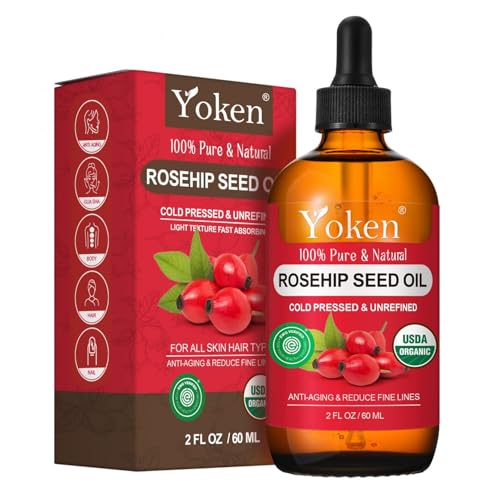
- Single-ingredient, cold-pressed rosehip oil
- Lightweight and fragrance-free for daily layering
- Usable on face, body, hair, and nails
Best For: Minimal routines for dry, dehydrated, combination, or mature skin
Best Heavy-Duty Pick

- Contains 5% marula oil in a moisturizing cream
- Adds hyaluronic acid, glycerin, and vitamins E and F
- Fragrance-free and non-comedogenic
Best For: Dry, flaky, sensitive, or mature skin needing richer barrier-focused hydration
Glow-Focused Blend

- Blends rosehip and vitamin E with five botanical oils
- Silky, fast-absorbing texture for daily use
- USDA Certified Organic, cold-pressed, vegan, and cruelty-free
Best For: Dry skin routines focused on moisture, glow, and facial massage
Barrier Support Pick – BYOMA Hydrating Recovery Oil
If you want a face oil for dehydrated skin that focuses on barrier care, BYOMA’s Hydrating Recovery Oil combines squalane, jojoba, seabuckthorn oil, ceramides, and skin-identical lipids in a lightweight formula. It is designed to nourish without a greasy finish and is non-comedogenic, fragrance-free, and suitable for all skin types.
Best For: Dehydrated skin needing lightweight moisture and barrier-supporting ingredients.
Pros:
- Contains squalane to help minimize water loss.
- Includes ceramides and skin-identical lipids for barrier support.
- Dermatologist tested, fragrance-free, vegan, and non-comedogenic.
Cons:
- The 30 ml bottle is smaller than some multipurpose facial oils.
- The formula includes lactic acid, so patch testing may be useful for sensitive skin.
BYOMA is a practical choice if hydration and barrier maintenance are your main priorities, especially when you want an oil that feels light rather than rich.
Multi-Use Value Pick – Organic Face Oil for Dry Skin
This organic blend is a versatile face oil for dehydrated skin, combining jojoba, rosehip, almond oil, olive oil, and vitamin E. Its fragrance-free formula is intended for the face, body, hair, gua sha, and makeup prep, making it useful if you want one oil for several dry-skin needs.
Best For: Dry or sensitive skin seeking a fragrance-free oil that can be used on the face and body.
Pros:
- Combines jojoba, rosehip, almond oil, and vitamin E for moisturizing care.
- Designed for face, body, hair, gua sha, and makeup preparation.
- Fragrance-free, vegan, organic, and described as non-comedogenic.
Cons:
- The larger 4-ounce size may be more product than needed if you only want a facial oil.
- Its richer multi-oil blend may not appeal to shoppers seeking an especially weightless finish.
Choose this blend when versatility and a generous bottle matter as much as facial hydration. It is particularly convenient for dry areas beyond the face.
Minimalist Lightweight Pick – Good Molecules Squalane Oil
Good Molecules Squalane Oil is a straightforward face oil for dehydrated skin if you prefer a short ingredient focus and a quick-absorbing finish. The lightweight oil is intended to soften and moisturize, while layering easily over serums or under moisturizer.
Best For: All skin types, including sensitive skin, that need simple everyday hydration.
Pros:
- Uses squalane to mimic skin’s own moisture.
- Absorbs quickly without a heavy or greasy feel.
- Fragrance-free, vegan, cruelty-free, and suitable for all skin types.
Cons:
- The 13 ml size is relatively small.
- It is a single-ingredient-focused oil, so shoppers seeking a blend of botanical oils may prefer another option.
This is a strong fit for a simple routine: apply a few drops after water-based products to help seal in hydration without adding a noticeably oily layer.
Radiance-Focused Pick – The Ordinary Rose Hip Seed Oil
The Ordinary’s Rose Hip Seed Oil is a face oil for dehydrated skin that pairs hydration with a focus on uneven tone, radiance, and the appearance of skin elasticity. It uses 100% organic, cold-pressed, unrefined rosehip seed oil and is intended for once-daily evening application.
Best For: All skin types wanting a simple evening oil for hydration and the appearance of uneven tone.
Pros:
- Made with 100% organic, cold-pressed rosehip seed oil.
- Helps hydrate while supporting a more supple, radiant appearance.
- Fragrance-free, vegan, and suitable for all skin types.
Cons:
- The recommended use is limited to once daily, ideally at bedtime.
- Patch testing is advised, and it should not be applied to broken skin.
This option suits shoppers who want a focused botanical oil rather than a complex blend. Its evening-only guidance makes it easy to add as the final step after water-based treatments.
Botanical Barrier Pick – Ultra-Hydrating Facial Oil
Good Molecules Ultra-Hydrating Facial Oil is a focused option for anyone seeking a face oil for dehydrated skin. Its camellia and sea buckthorn oils help nourish and soften the look of dry patches, while the formula is designed to support the skin moisture barrier. Press a few drops into skin after moisturizer in the morning or evening.
Best For: Dry, sensitive, or combination skin needing a simple final moisturizing step.
Pros:
- Camellia and sea buckthorn oils help nourish and soften dry-looking skin.
- Designed to support the skin moisture barrier with continued use.
- Vegan, cruelty-free, fragrance-free, and suitable for all skin types.
Cons:
- The 13 ml size is relatively small.
- It is intended as the last step after moisturizer rather than a standalone hydrating routine.
This is a practical pick when you want a compact, unscented facial oil with a botanical ingredient profile and a clear place in your routine.
Single-Ingredient Value Pick – Organic Jojoba Oil
Cliganic Organic Jojoba Oil offers a straightforward approach to using a face oil for dehydrated skin. The 100% pure, single-ingredient formula is USDA organic certified and can be used on the face, hair, body, scalp, beard, or nails. It is a flexible choice for shoppers who prefer a multipurpose carrier oil without synthetic additives.
Best For: Dry, sensitive, or combination skin and shoppers who want one oil for multiple uses.
Pros:
- 100% pure jojoba oil with no synthetic additives.
- USDA organic, non-GMO, vegan, and cruelty-free.
- Multipurpose formula for face, hair, body, scalp, beard, and nails.
- Fragrance-free, hexane-free, and described as fast absorbing.
Cons:
- As a single-ingredient oil, it does not provide a blend of added skincare ingredients.
- The larger 4-ounce bottle may be more than needed if you only want a facial oil.
Choose this option for ingredient simplicity and versatility. It is especially appealing if you want a jojoba oil that can serve several roles beyond facial moisturization.
Multi-Oil Treatment Pick – Skin Therapy Face Oil
Palmer’s Skin Therapy Face Oil combines cocoa butter, vitamin E, vitamin C, retinol, and a blend of ten pure oils for shoppers looking for a more treatment-oriented face oil for dehydrated skin. It is designed to moisturize and smooth the appearance of fine lines and wrinkles while helping brighten the look of dark spots.
Best For: All skin types seeking moisturization alongside an anti-aging and brightening-focused formula.
Pros:
- Combines cocoa butter, vitamin E, vitamin C, retinol, and ten pure oils.
- Helps moisturize and smooth the appearance of fine lines and wrinkles.
- Designed to help brighten the appearance of dark spots.
- Travel-size 1-ounce bottle.
Cons:
- Has a rosehip fragrance, which may not suit fragrance-sensitive shoppers.
- The formula is more complex than a single-ingredient facial oil.
- The supplied details do not specify a sensitive-skin designation.
This face oil suits buyers who want hydration paired with added anti-aging and brightening ingredients rather than a minimal, single-oil formula.
Simple Botanical Pick – Lightweight Rosehip Seed Oil
For shoppers seeking a straightforward face oil for dehydrated skin, Yoken Rosehip Seed Oil offers a single-ingredient option. Its lightweight, fragrance-free formula spreads easily and can be used alone or layered under a moisturizer or serum.
Best For: Adults with dry, dehydrated, combination, or mature skin who prefer a simple botanical oil.
Pros:
- Single-ingredient, cold-pressed rosehip seed oil
- Lightweight texture suitable for daily use and layering
- Fragrance-free, organic, plant-based, and cruelty-free
- Can also be used on the body, hair, nails, or for gua sha
Cons:
- Provides a single botanical ingredient rather than a multi-ingredient treatment
- Oil texture may not suit shoppers who prefer a cream moisturizer
This is a practical choice for a minimal routine focused on softening and moisturizing dry-feeling skin. Its versatility is useful, though shoppers wanting added humectants or vitamins will need to layer another product.
Best Heavy-Duty Pick – Marula Oil Hydration Cream
Unlike a standalone facial oil, this cream combines 5% marula oil with hyaluronic acid, saccharide isomerate, glycerin, and vitamins E and F. It is a useful face oil for dehydrated skin shoppers who want a richer moisturizer designed to support hydration and the skin barrier.
Best For: Dry, normal, sensitive, mature, or flaky skin needing a fragrance-free cream moisturizer.
Pros:
- Combines marula oil with multiple moisturizing ingredients
- Includes hyaluronic acid, glycerin, Vitamin E, and Vitamin F
- Fragrance-free, non-comedogenic, and free of parabens, silicones, and sulfates
- Designed for use morning and evening after serums
Cons:
- It is a cream rather than a traditional facial oil
- May be richer than preferred for shoppers seeking a very lightweight finish
This option makes sense when dehydration comes with roughness, flaking, or a compromised-feeling barrier. Choose it over a pure oil if you want added humectants and a conventional moisturizer texture.
Glow-Focused Blend – Organic Rosehip Face Oil
For shoppers who want more than a single oil, this blend combines rosehip and vitamin E with jojoba, frankincense, lavender, and pomegranate oils. It suits a face oil for dehydrated skin routine aimed at moisturizing while supporting a brighter, smoother-looking complexion.
Best For: Adults wanting a ready-to-use botanical blend for dry skin, facial massage, or a radiant finish.
Pros:
- Combines rosehip oil and vitamin E with several complementary botanical oils
- Silky, fast-absorbing texture suitable for use after cleansing or serum
- USDA Certified Organic, cold-pressed, vegan, and cruelty-free
- Can be used alone, with gua sha, in body lotion, or mixed with foundation
Cons:
- Contains lavender and other scented botanical oils, which may not suit fragrance-sensitive users
- The brand recommends patch testing before first use
- At 1 fluid ounce, it offers less product than the 2-ounce single-ingredient option
This is the most feature-rich facial oil of the three, particularly for shoppers interested in glow and multi-oil convenience. Its botanical blend and lavender scent make patch testing especially sensible for sensitive skin.
How We Picked the Best Face Oil for Dehydrated Skin
We focused on formulas that can complement a hydrating routine rather than replace it. The selection includes lightweight single-ingredient oils, botanical blends, and products paired with ingredients such as hyaluronic acid, vitamin E, or barrier-supporting lipids.
We also considered texture, ingredient simplicity, fragrance profile, bottle size, versatility, and value. Because skin varies widely, the best choice depends on whether you want a final moisturizing layer, a facial massage oil, or a richer option for visibly dry and flaky areas.
Quick Comparison
- Lightweight options: BYOMA Hydrating Recovery Oil and Good Molecules Squalane Oil suit shoppers who dislike a heavy or greasy finish.
- Simple oils: Cliganic Jojoba Oil, The Ordinary Rose Hip Seed Oil, and Yoken Rosehip Seed Oil offer straightforward ingredient profiles.
- Dry-skin blends: The organic jojoba, rosehip, almond, olive, and vitamin E blend and Organic Glow Face Oil provide a more traditional nourishing feel.
- Barrier-focused options: Minimalist Marula Oil 5% combines marula oil with hydrating and conditioning ingredients for dry, dehydrated, or flaky skin.
- Budget-friendly larger sizes: Cliganic Jojoba Oil and selected rosehip formulas may offer more product for regular body, hair, or facial use.
Key Buying Factors for Face Oil for Dehydrated Skin
Texture and Finish
Choose squalane or a lightweight recovery oil if you want quick absorption and minimal residue. Richer blends can be more comfortable at night or in dry climates but may feel too occlusive for oily or congestion-prone skin.
Ingredient Profile
Jojoba and squalane are popular for their smooth, lightweight feel. Rosehip, marula, almond, olive, and cocoa butter formulas can provide a more emollient finish. If you are sensitive, an unscented or fragrance-free option with a short ingredient list is usually easier to evaluate.
How to Use It
Apply two to four drops after a water-based moisturizer or hydrating serum, preferably while skin is slightly damp. Oils help reduce moisture loss, so layering them over hydration is generally more useful than applying oil alone. Patch-test new products and stop if irritation occurs.
Packaging and Freshness
Plant oils can gradually oxidize. Look for protective packaging, follow the stated period-after-opening guidance, and store the bottle away from heat and direct sunlight.
Who Should Buy Which Face Oil for Dehydrated Skin?
Choose BYOMA or Good Molecules Squalane if you want a lightweight daily layer. Choose jojoba oil if versatility and a simple formula matter most. Choose rosehip oil if you prefer a botanical oil commonly used in routines targeting uneven-looking tone and signs of aging. Choose Minimalist Marula Oil if your priority is a richer, barrier-supporting routine for dry or flaky skin. Choose Palmer’s or a multi-oil blend if you prefer a more nourishing finish and do not mind a stronger emollient feel.