Finding the right foot cream for combination skin means balancing rich hydration for dry heels with a lighter feel for areas that do not need heavy occlusion. The best formulas soften rough skin without leaving every part of your feet greasy.
This roundup compares 10 options, including urea-based creams, salicylic-acid callus treatments, ointments, and everyday moisturizing foot lotions, so you can match the formula to your skin’s needs.
Best 10 Foot Creams for Combination Skin Picks for 2026
Classic Extreme-Dryness Pick

- Concentrated moisture for cracked feet
- Unscented, non-greasy, hypoallergenic formula
- Travel-friendly 3.2-ounce jar
Best For: Extremely dry, cracked feet
High-Urea Softening Choice

- 40% urea targets rough, cracked skin
- Suitable for combination and other listed skin types
- Usable on feet, hands, elbows, and knees
Best For: Rough, thickened areas needing intensive softening
Rapid Repair Ointment
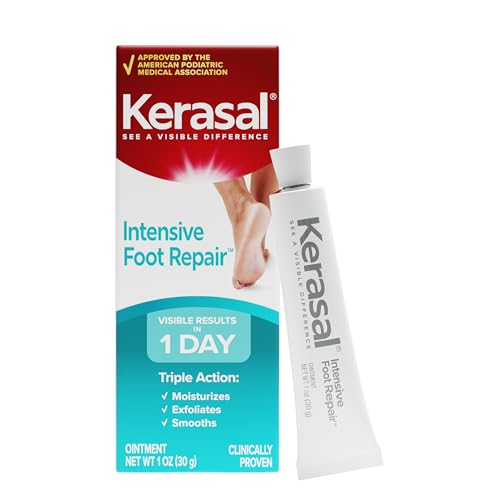
- Uses salicylic acid, urea, and petrolatum
- Supports exfoliation, softening, and moisturization
- Compact treatment for cracked heels
Best For: Rough, cracked heels needing targeted repair
Maximum-Strength Callus Care

- 40% urea targets calluses and rough heels
- Listed for combination and sensitive skin
- Made in the USA in a 4-ounce jar
Best For: Thick calluses and severely rough feet
Everyday Softening Pick
Gold Bond Softening Foot Cream

- Shea butter and jojoba help soften rough feet.
- Quick-absorbing, nongreasy cream.
- Fresh-scented 4-ounce tube.
Best For: Routine care for rough, dry feet and cracked heels
Targeted Callus Treatment

- 60% urea targets thick, cracked skin.
- 2% salicylic acid helps exfoliate buildup.
- Portable, grease-free stick format.
Best For: Focused care for calluses and cracked heels
Soothing Moisture Value

- Aloe helps soothe dry, rough feet.
- Seven moisturizers and three vitamins nourish skin.
- Hypoallergenic, dye-free, paraben-free, and phthalate-free.
Best For: Rich daily moisturizing care for dry heels
Deep Hydration Pick
Dr. Scholl's 25% Urea Foot Cream
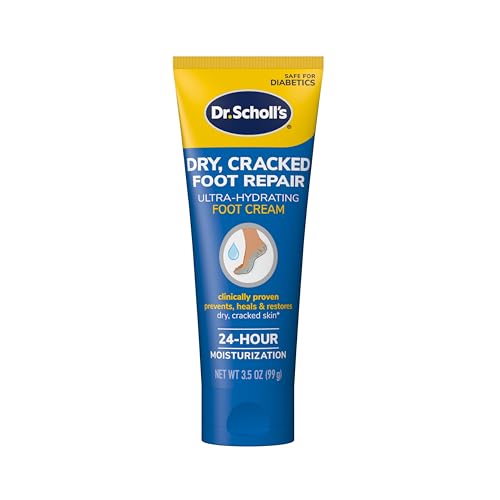
- 25% urea targets dry, cracked skin
- Up to 24 hours of hydration
- Epsom salt and essential oils provide soothing care
Best For: Very dry heels needing concentrated moisture
Exfoliating Balance Pick

- 40% urea and 2% salicylic acid exfoliate rough skin
- Ceramides and hyaluronic acid add moisture support
- Fast-absorbing and non-greasy
Best For: Callused feet needing exfoliation plus hydration
Maximum-Strength Repair Pick

- 42% urea targets rough, cracked skin
- 2% salicylic acid softens calluses
- Vitamin E, aloe, and shea butter add moisture
Best For: Stubborn rough patches on feet and other dry areas
Classic Extreme-Dryness Pick – O'Keeffe's Healthy Feet
For shoppers comparing foot creams for combination skin, O’Keeffe’s Healthy Feet is a focused option for feet that become especially dry or cracked. Its concentrated, unscented formula is designed to create a protective moisture-locking layer without a greasy feel.
Best For: Extremely dry, cracked feet and shoppers who prefer hypoallergenic, unscented foot care.
Pros:
- Concentrated formula helps boost and retain moisture.
- Unscented, non-greasy, and hypoallergenic.
- Can be used at bedtime and after bathing.
- Compact 3.2-ounce jar is convenient for travel.
Cons:
- Formulated primarily for extreme dryness rather than broad combination-skin concerns.
- Jar packaging may be less convenient than a tube for some users.
Choose this cream when cracked heels and severe dryness are your main priorities. It offers straightforward, intensive moisture support in a small, fragrance-free package.
High-Urea Softening Choice – OUKEYA 40% Urea Cream
Among foot creams for combination skin, OUKEYA stands out for its 40% urea formula and stated suitability for combination, dry, cracked, and normal skin. It is intended to soften rough areas while adding moisture to feet, hands, elbows, and knees.
Best For: Thick, rough, cracked skin and shoppers seeking a high-urea cream with multiple-body-area use.
Pros:
- Contains 40% urea for intensive moisturizing and softening.
- Includes glycerin, avocado, sucrose, corn starch, allantoin, and vitamin E.
- Designed to help minimize the appearance of corns and calluses.
- Marketed as fast-absorbing and non-greasy.
Cons:
- Rose scent may not suit shoppers seeking fragrance-free care.
- High urea concentration may be more intensive than needed for mild dryness.
This is a practical pick for combination skin when the feet also have visibly rough or thickened areas. Its larger 5.29-ounce size and whole-body positioning add versatility.
Rapid Repair Ointment – Kerasal Intensive Foot Repair
For foot creams for combination skin shoppers dealing with rough, cracked heels, Kerasal offers an ointment approach that combines exfoliation, softening, and moisturizing. The compact 1-ounce treatment uses salicylic acid, urea, and petrolatum.
Best For: Cracked heels and dry, rough feet that need exfoliating and moisturizing support.
Pros:
- Combines 5% salicylic acid with 10% urea and soft white petrolatum.
- Targets exfoliation, softening, and moisturization in one product.
- Product notes report visible results in just one day.
- Approved by the American Podiatric Medical Association.
Cons:
- Small 1-ounce package may require more frequent repurchasing.
- As an ointment, it may feel heavier than a standard foot cream.
Kerasal is best suited to shoppers who want a targeted repair treatment rather than a basic daily moisturizer. Its active exfoliating ingredients make it a particularly focused choice for rough, cracked areas.
Maximum-Strength Callus Care – PurOrganica Urea Cream 40%
PurOrganica is a strong option among foot creams for combination skin, with a 40% urea concentration intended for dry, cracked heels, corns, calluses, and rough feet. The formula is listed for all skin types, including combination, oily, and sensitive skin.
Best For: Calluses, corns, thick rough skin, and shoppers wanting a high-strength urea moisturizer.
Pros:
- 40% urea provides intensive exfoliating and moisturizing action.
- Listed for combination, oily, dry, sensitive, and other skin types.
- Can also be used on hands, elbows, knees, and cuticles.
- Made in the USA and never tested on animals, according to the product notes.
Cons:
- High-strength formula may be excessive for mild dryness.
- Jar contents may melt in high temperatures and solidify again after cooling.
This cream makes sense when combination skin is paired with stubborn calluses or thickened heel skin. The 4-ounce jar offers a larger supply for ongoing foot-care routines.
Everyday Softening Pick – Gold Bond Softening Foot Cream
For shoppers comparing foot creams for combination skin, this Gold Bond formula is a practical everyday option for rough, dry areas that still need a nongreasy finish. Shea butter, jojoba, three vitamins, and a silk peptide matrix help soften and condition feet.
Best For: Routine softening of rough feet and dry, cracked heels.
Pros:
- Contains shea butter and jojoba for moisture and softening.
- Designed to condition rough, calloused feet and cracked heels.
- Quick-absorbing, nongreasy texture with a fresh scent.
Cons:
- The fresh scent may not suit shoppers seeking a fragrance-free cream.
- Supplied details focus on rough and dry skin rather than combination skin specifically.
This 4-ounce tube makes sense for regular foot care when you want added moisture without a heavy after-feel.
Targeted Callus Treatment – 60% Urea Cream Stick
Among foot creams for combination skin, this concentrated stick is aimed at thicker, flaky areas rather than general lightweight hydration. It combines 60% urea with 2% salicylic acid, plus coconut oil and aloe, in a portable solid format.
Best For: Targeted treatment of thick calluses, cracked heels, and rough patches on feet, knees, elbows, or hands.
Pros:
- High-strength 60% urea helps soften thick, dry skin.
- 2% salicylic acid supports exfoliation of flakes and buildup.
- Stick format is travel-friendly, mess-free, and designed to absorb quickly.
- Coconut oil and aloe add moisturizing and soothing support.
Cons:
- The concentrated exfoliating formula may be more than needed for mild dryness.
- At 1.41 ounces, it contains less product than the larger 4-ounce tubes in this roundup.
- The supplied details identify it for dry skin, not combination skin specifically.
Choose this option when calluses and cracked heels are the main concern and convenient, targeted application matters more than a traditional tube.
Soothing Moisture Value – Gold Bond Healing Foot Cream
If you want foot creams for combination skin with a richer moisturizing profile, this Gold Bond healing cream pairs aloe with seven moisturizers and three nourishing vitamins. It is designed to hydrate, soothe, nourish, and soften dry, rough heels.
Best For: Dry, rough feet and heels needing rich daily moisture and soothing care.
Pros:
- Uses aloe to help soothe and comfort dry, rough feet.
- Includes seven moisturizers and three nourishing vitamins.
- Dermatologist tested and described as hypoallergenic.
- Free of dyes, parabens, and phthalates according to the supplied details.
Cons:
- The richer moisturizing approach may feel heavier than a quick-absorbing lotion.
- The product has a fresh scent rather than a fragrance-free formulation.
- The supplied listing information is inconsistent about pack quantity, so verify the seller’s current offer.
This is a sensible pick for shoppers prioritizing soothing, nourishing moisture, particularly when dry heels need more than a light conditioning lotion.
Deep Hydration Pick – Dr. Scholl's 25% Urea Foot Cream
For foot creams for combination skin, Dr. Scholl’s 25% Urea Foot Cream is a practical choice when heels and other dry areas need intensive moisture without treating the entire foot the same way. Its formula combines 25% urea with essential oils and Epsom salt to soften and comfort dry, cracked skin.
Best For: Adults who need concentrated hydration for dry, cracked feet and prefer a scented cream with eucalyptus, lavender, and peppermint.
Pros:
- Contains 25% urea for intensive softening and moisturization.
- Designed to provide hydration for up to 24 hours.
- Includes Epsom salt and calming essential oils for a soothing application.
- Alcohol-free formula in a convenient 3.5-ounce tube.
Cons:
- The concentrated formula may be more than needed for mildly dry areas.
- The peppermint, lavender, and eucalyptus scent may not suit fragrance-sensitive users.
This is a strong option for combination skin when the main concern is repairing particularly dry heels or rough patches. Apply it selectively to areas that need extra moisture rather than using it as a lightweight all-over lotion.
Exfoliating Balance Pick – 40% Urea Callus Cream
Among foot creams for combination skin, this maximum-strength formula suits shoppers who want to address rough calluses while adding barrier-supporting moisture. It pairs 40% urea and 2% salicylic acid with ceramides, hyaluronic acid, and peptides in a fast-absorbing, non-greasy cream.
Best For: Adults with callused, cracked, or rough feet who want exfoliation, deep moisture, and a non-greasy finish.
Pros:
- Combines 40% urea and 2% salicylic acid to soften calluses and dead skin.
- Ceramides, hyaluronic acid, and peptides support moisture replenishment.
- Fast-absorbing, non-greasy texture is designed not to stain socks or sheets.
- Tea tree oil, chamomile, menthol, aloe, and allantoin provide a cooling, soothing feel.
Cons:
- Maximum-strength exfoliation may be too intense for mildly dry or sensitive areas.
- Tea tree and menthol create a distinct scented, cooling experience.
This formula is especially useful when combination skin includes both dry patches and buildup on the soles. Its exfoliating ingredients make it better suited to targeted callus care than casual daily moisturizing across the entire foot.
Maximum-Strength Repair Pick – 42% Urea Foot and Hand Cream
For foot creams for combination skin with stubborn rough spots, this 42% urea cream delivers intensive exfoliation and moisture in a multi-use formula. It also contains 2% salicylic acid, vitamin E, aloe vera, shea butter, and tea tree oil for dry, cracked areas on the feet and elsewhere.
Best For: Adults seeking maximum-strength care for rough feet, heels, hands, elbows, or knees, with a preference for an unscented product described as containing natural ingredients.
Pros:
- 42% urea provides highly concentrated exfoliating and moisturizing care.
- 2% salicylic acid helps soften calluses and dry patches.
- Vitamin E, aloe vera, and shea butter support suppleness and moisture retention.
- Can be used on feet, hands, elbows, and knees.
Cons:
- The maximum-strength formula may be excessive for lightly dry skin.
- Its thick moisturizing ingredients may feel richer than a lightweight foot lotion.
- Tea tree oil may not appeal to users seeking a completely ingredient-neutral formula.
This is the most intensive option of the three for localized roughness and cracks. For combination skin, use it on hardened or dehydrated areas while avoiding unnecessary application to areas that already feel comfortable.
How We Picked the Best Foot Creams for Combination Skin
We focused on formulas suited to the most common combination-foot concerns: cracked heels, thick calluses, rough texture, and dry patches alongside areas that may feel normal or slightly oily. The selection includes products with different strengths and textures rather than treating every foot-care need the same way.
Key considerations included active ingredients, intended use, moisturizing support, product texture, container size, and whether a formula is better suited to daily maintenance or intensive repair. Urea products were included at several concentrations because lower levels generally support hydration, while higher levels can help soften thicker, hardened skin.
Quick Comparison
| Formula Type | Best For | What to Look For |
|---|---|---|
| Everyday foot cream | Dryness and maintenance | Moisturizers that absorb comfortably |
| Urea cream | Rough, dry, or hardened skin | Concentration matched to skin thickness |
| Urea plus salicylic acid | Calluses and stubborn rough patches | Careful, targeted application |
| Repair ointment | Very dry or cracked areas | Rich occlusive texture and overnight use |
Key Buying Factors for Foot Creams for Combination Skin
Choose the Right Active Strength
Urea is a useful ingredient because it helps attract water while softening rough, thickened skin. Products around 20% to 25% may be a reasonable middle ground for dryness and texture, while 40% or higher is more appropriate for particularly hard calluses or severe roughness. Stronger formulas can feel intense, so apply them only where needed.
Consider Exfoliating Ingredients
Salicylic acid can help loosen dead skin and calluses, especially when paired with urea. Because it is more active than a basic moisturizer, avoid applying it to irritated, freshly shaved, or broken skin. Start with a small area and follow the product directions.
Match Texture to Your Routine
Ointments and rich creams are useful at night or for heels that need a moisture seal, but they may feel heavy during the day. For combination skin, a faster-absorbing lotion or targeted application on dry zones can prevent unnecessary greasiness.
Do Not Ignore Skin Sensitivity
Patch-test unfamiliar products and stop use if significant burning, swelling, or irritation occurs. Cracked skin that is painful, bleeding, infected, or not improving may need professional evaluation rather than stronger over-the-counter treatment.
Who Should Buy Which Foot Creams for Combination Skin?
Choose an everyday moisturizing cream if your feet are generally dry but only mildly rough. Pick a moderate-strength urea formula if you have recurring heel dryness and want hydration with gentle smoothing. For thick calluses, concentrated urea or urea-and-salicylic-acid products offer more targeted support. An ointment is the better choice for overnight use when a protective, heavy moisture barrier is your priority.
Whichever product you choose, apply it consistently to clean, dry feet and concentrate stronger treatments on heels and callused areas. Wearing breathable socks after application can help reduce transfer and support overnight absorption.